
Creating AI-first tech leaders of the next generation
Master of Science in Artificial Intelligence
In partnership with Penn Engineering
Among the first of its kind in India, this one-year, full-time program is designed for ambitious tech innovators who want to build AI solutions, lead how organizations adopt them and shape enterprise-level AI strategy.
Applications OpenRound 1 Deadline: December 20, 2026
About Plaksha
Founded by a global community of more than 150 tech entrepreneurs, business leaders and corporates, Plaksha envisions to reimagine technology education and research for India and the world. The university has forged strong partnerships with UC Berkeley SCET, Cornell University, University of Pennsylvania, Purdue University, UC San Diego and IISc Bengaluru among others to strengthen an ecosystem of research and innovation.
Plaksha's vision is to produce ethical leaders of tomorrow who transform the world through creative solutions to address the grand challenges faced by society. This is being done by creating an environment where interdisciplinary academic pursuits and cutting-edge research take place within a framework of humanistic values.
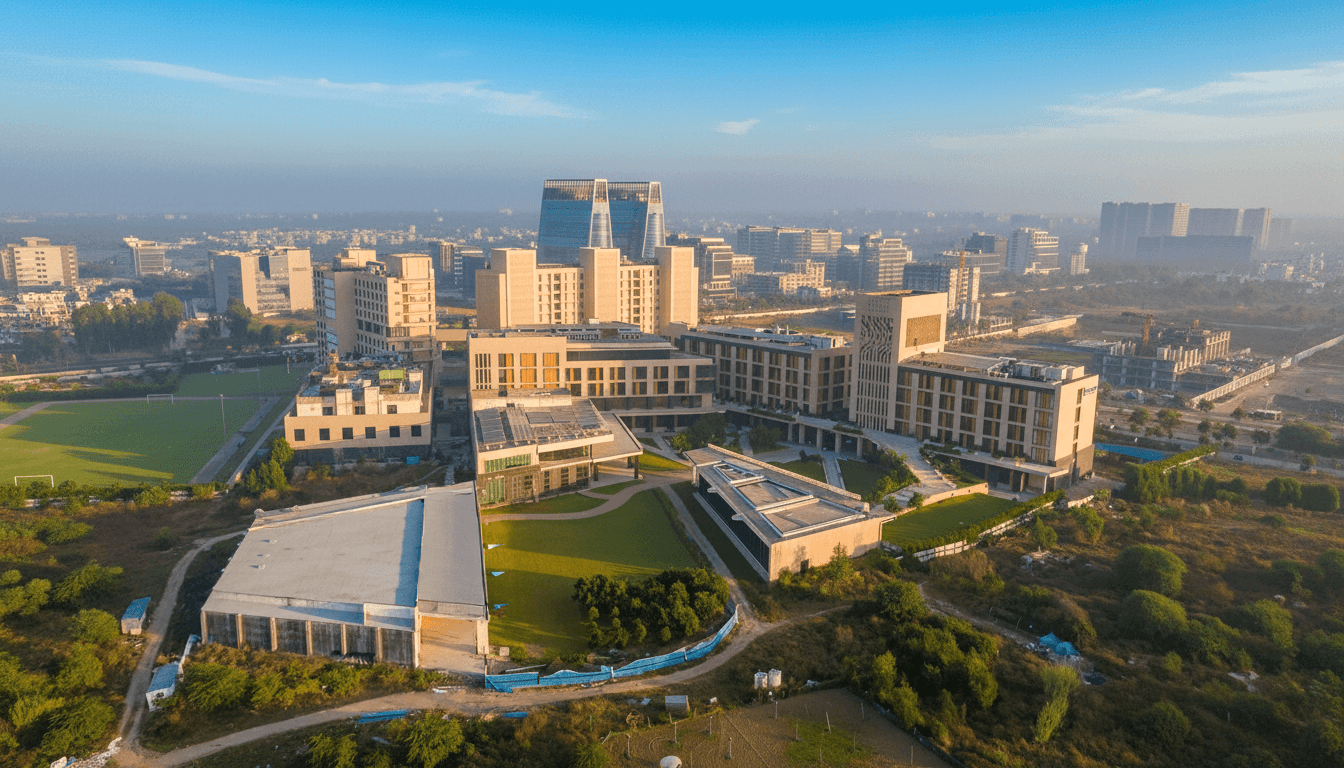
Take your next step in AI
The program is ideal for
Recent graduates
Build on a technical foundation to develop advanced AI expertise and solve complex, real-world problems.
Working professionals
Deepen existing AI capability, move into AI-driven roles, or bring intelligent systems into current projects.
Strengthen technical depth
Deepen advanced expertise in AI/ML, GenAI, Agentic AI and LLMs.
Switch careers
Move from traditional software, data and engineering domains into cutting-edge AI roles.
Build products
Learn to turn AI capabilities into products and solutions.
Join a community of AI innovators
Learn alongside a diverse cohort, global faculty and industry leaders.
Nearly 9 in 10 organizations use AI; fewer than 1 in 10 have scaled it for impact*
Plaksha's Master of Science in AI, in partnership with Penn Engineering, equips graduates to create AI solutions, lead their adoption and take AI from pilot to production. A key component of the program is a five-month Industry Immersion Project, where classroom learning translates into practical experience by solving real-world industry challenges.
Apply Now*Stanford AI Index Report 2026, Chapter 4, Section 4.3
Cohort at a glance
Master of Science in AI Class of 2027
2.7
Years average work experience
23
Institutions represented
99.5
Highest GATE score submitted
62%
Students from engineering background
38%
Students from non-traditional tech backgrounds
A learning journey built on three dynamic pillars
Core AI
Mastering machine learning, deep learning, and core technologies.
Deploy AI
Progressing from models to deployment, scaling AI in practice, and engaging with cutting-edge use cases.
Lead AI
Applying AI to solve real business needs, enabling smarter decisions, and creating measurable value.
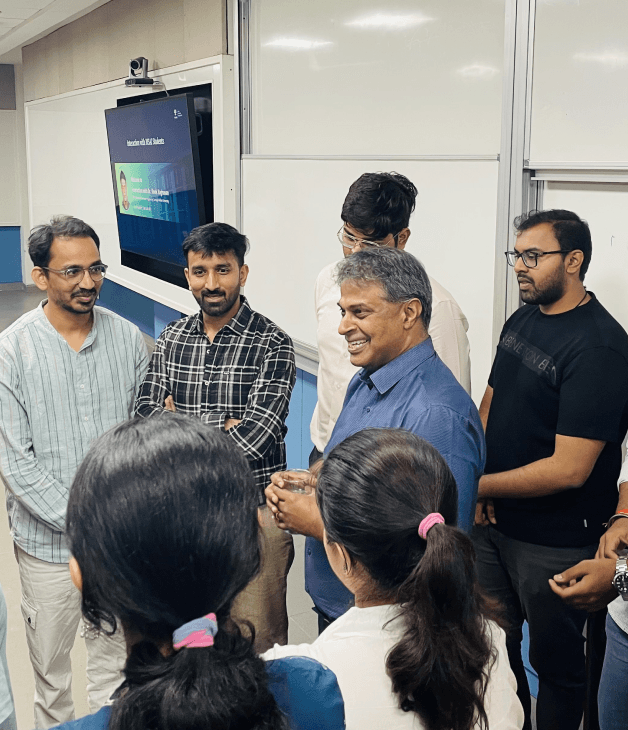
A year of building, learning and leading AI
Solve with industry practitioners
Work with leaders tackling real-world problems and learn to cut through the noise to identify the solutions.
Learn from global faculty
Gain perspectives from faculty from Penn Engineering, SRI, Carnegie Mellon University, etc., bringing academic depth and a global lens to your AI education.
Build alongside founders
Learn from technology founders and industry leaders who have built companies, products and teams from the ground up.
Mentorship beyond the classroom
Get support from experienced AI and technology professionals as you shape your career and make important decisions.
How the year unfolds
Explore each term
Term 1: Foundations
Career pathways
Advanced AI expertise widens the range of roles open to graduates
Build AI
- AI Engineer
- ML Ops Engineer
- Research Engineer
- Gen AI Specialist
Ship AI-powered products
- AI Product Manager
- Technical Product Manager
- AI Solutions Architect
Apply AI
- Data Scientist
- AI Consultant
- Data Engineer
- AI Business Analyst
Push the frontier
- Applied AI Researcher
- PhD/ Higher Education
- Entrepreneurship
Eminent faculty
Learn from global faculty and industry practitioners working across ML, generative AI, computer vision, NLP, and other emerging technologies.

Anirban Roy
Principal AI Scientist
SRI (Formerly Stanford Research Institute)
PhD (Oregon State University)
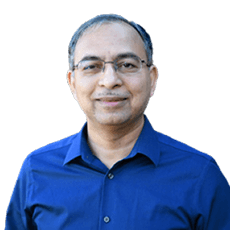
Anmol Mathur
Distinguished Engineer | Senior Director
PhD (University of Illinois Urbana-Champaign)

Chris Callison-Burch
Professor
University of Pennsylvania
PhD (University of Edinburgh)

Deepan Muthirayan
Assistant Professor
Plaksha University
PhD (University of California, Berkeley)
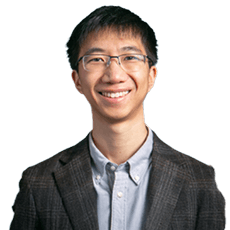
Eric Wong
Assistant Professor
University of Pennsylvania
PhD (Carnegie Mellon University)
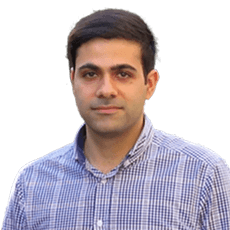
Hamed Hassani
Associate Professor
University of Pennsylvania
PhD (EPFL)
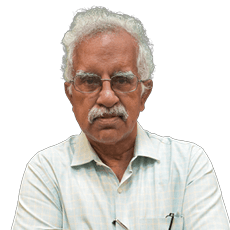
M Balakrishnan
Distinguished Visiting Professor
Plaksha University
PhD (IIT Delhi)

Manish Gupta
Principal Applied Scientist
Microsoft Research
PhD (University of Illinois Urbana-Champaign)
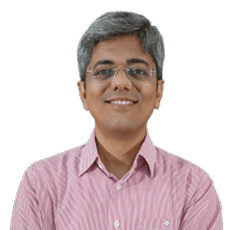
Mayank Ratan Bhardwaj
Assistant Professor
Plaksha University
PhD (IISc)
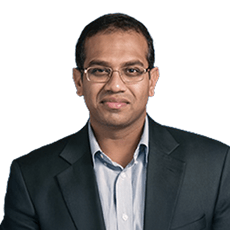
Mayur Naik
Professor
University of Pennsylvania
PhD (Stanford University)
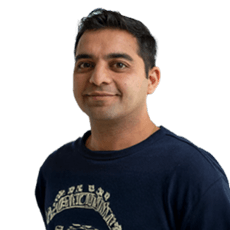
Niket Tandon
Principal Research Scientist
Microsoft Research
PhD (Max Planck Institute)

Pankaj Pansari
Assistant Professor
Plaksha University
PhD (University of Oxford)
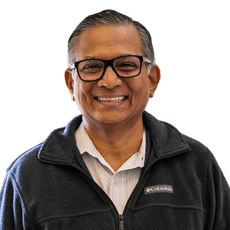
Anand Rao
Distinguished Service Professor (Applied Data Science & AI)
Carnegie Mellon University
PhD (University of Sydney)

Rajesh Sharma
Professor
Plaksha University
PhD (Nanyang Technological University)
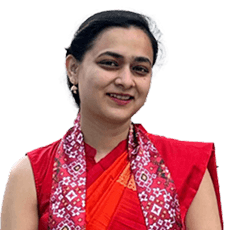
Ramneet Kaur
Advanced Computer Scientist
SRI (Formerly Stanford Research Institute)
PhD (University of Pennsylvania)

Surbhi Goel
Assistant Professor
University of Pennsylvania
PhD (University of Texas at Austin)
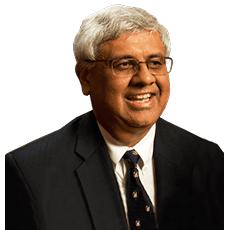
S. Shankar Sastry
Professor, UC Berkeley | Founding Chancellor
Plaksha University
PhD (University of California, Berkeley)

Siddharth
Associate Professor
Plaksha University
PhD (University of California San Diego)
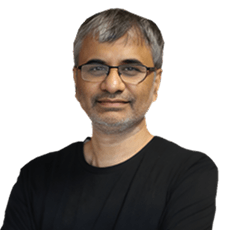
Sudheendra Hangal
CEO
Amuse Labs
PhD (Stanford University)
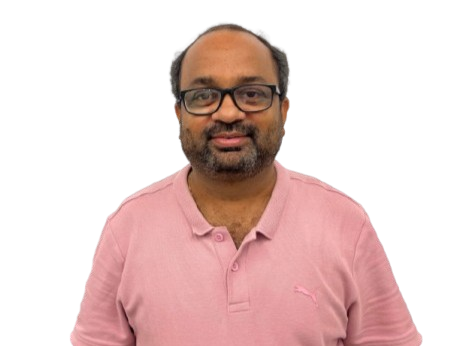
Subrat Panda
Professor of Practice
Plaksha University
PhD (IIT Kharagpur)
Eligibility criteria
A valid bachelor’s degree (4 years) from a recognized university in any one of the following:
- Engineering:Four-year BTech/B.E. with a foundation in maths, statistics, and programming.
- Sciences/Economics:Four-year bachelor’s, or three-year bachelors plus PG diploma (equivalent to 40 credits) / master’s, with maths, statistics, and programming.
Applicants with professional experience in technology-related roles are welcome to apply.
Submission of a standardized test score (CAT/GMAT/GRE/GATE)*is optional for admission to the Master of Science in AI program. However, applicants are strongly encouraged to submit a valid test score, as it strengthens the application during merit evaluation and scholarship shortlisting.
*Scores may be submitted after application submission if they are not immediately available. Only scores upto May 31, 2027 will be considered.
Admissions process
Application submission
Complete the online application form.
Telephonic screening
Participate in a brief call with the program team.
Interview
Meet the faculty and the Plaksha leadership.
Decision
Receive the outcome of your application.
Career advancements at a glance*
Scholarships & financial aid
Scholarships and financial aid range from 25% to 100% of tuition.
Merit-cum-means scholarship
The merit-cum-means scholarship is awarded to candidates who exhibit strong academic merit and have a demonstrated financial need. Applicants seeking consideration under the merit-cum-means category are required to submit supporting documentation to substantiate their financial need, which may include income certificates, tax returns, or other relevant records as determined by the Admissions and Financial Aid Committee.
Merit scholarship
The merit scholarship is an award conferred upon a limited number of candidates who demonstrate exceptional academic merit, leadership qualities, and a commitment to creating meaningful impact through innovation and leadership in their field.
Industry partners*
Our alumni
The Tech Leaders Fellowship (TLF) was a one-year, full-time postgraduate diploma in AI, machine learning, and leadership, designed to nurture the next generation of technology leaders. The fellowship has now evolved into the Master of Science in AI program.
Our alumni
Shubham Saboo
Tech Leaders Fellowship Class of 2020
Senior AI Product Manager, Google
Looking back, Plaksha’s TLF was the critical inflection point that shaped my career in AI. Its unique mix of deep technical knowledge and strategic leadership provided the exact foundation I needed for my path to Google, where I now work as a Senior AI Product Manager building the future of Agentic solutions. The lessons from TLF extend beyond my day job; they have shaped my work as a co-author of books on GPT-3 and Neural Search and guide my decisions as an angel investor in the next wave of AI startups.
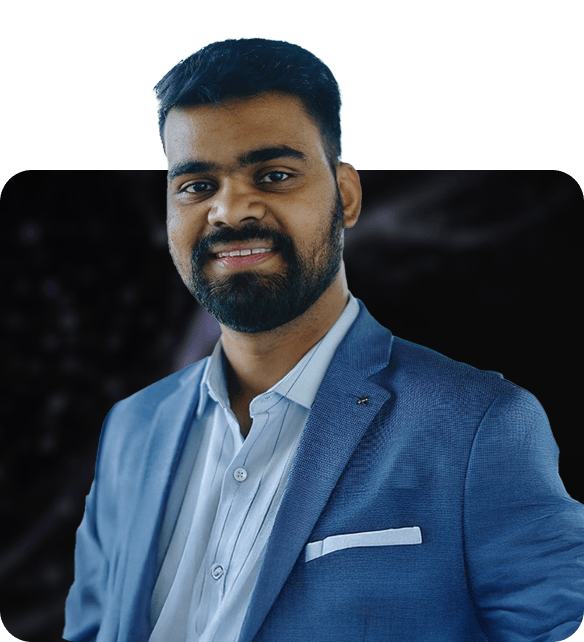
Our alumni
Manasi Mahadik
Tech Leaders Fellowship Class of 2021
Senior Solutions Architect - Gen AI, NVIDIA
The program at Plaksha was incredibly formative for me. It opened a world of possibilities I did not know existed. The courses, the rigor, the peers, and the nuggets from that very special mentorship program still come back to me, all these years later. My biggest takeaway is to always put yourself in environments that inspire you and push you forward. Eventually it rubs off on you, and compels you to be a better technologist and a better human being.
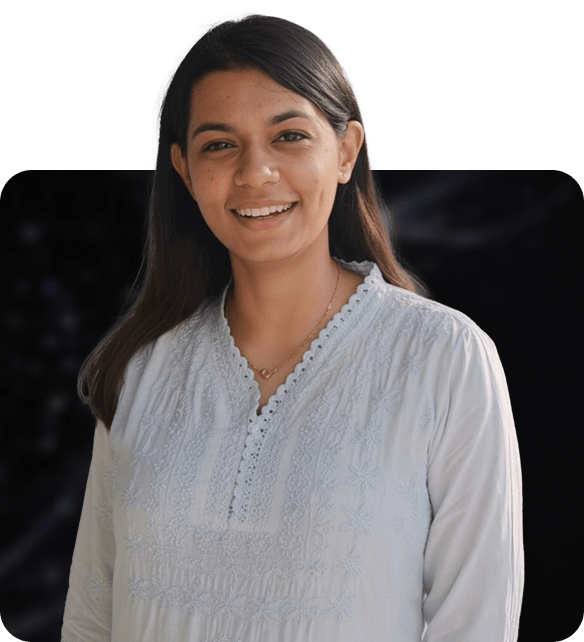
Our alumni
Karthika Kamath
Tech Leaders Fellowship Class of 2020
PhD Candidate, University of Birmingham
As a Plaksha TLF fellow from the first batch (2019-20), I feel I truly benefited from being a part of the amazingly smart and creative cohort. The exposure I had through the different seminars and interactions was unique to the program. It helped me land a data science job and also grow more confident in pursuing my passions.
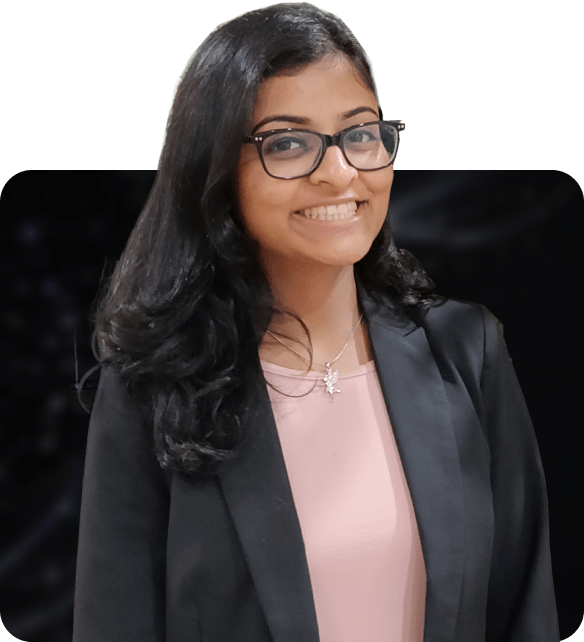
Our alumni
Gul Bansal
Tech Leaders Fellowship Class of 2024
AI Engineer, AB InBev
Plaksha has been a truly transformative journey that reshaped my career and perspective. What began as a serendipitous encounter with one of the founders on campus evolved into an inspiring educational experience. The collaborative environment, visionary mentors, and hands-on learning helped me transition from an SDE to an AI Engineer with confidence and purpose. What makes Plaksha truly special is its vibrant community - peers, professors, and founders who continuously inspire and motivate you to grow. The meaningful connections, mentorship, and shared passion for innovation have created not just a strong network, but a lifelong ecosystem of learning, collaboration, and impact.
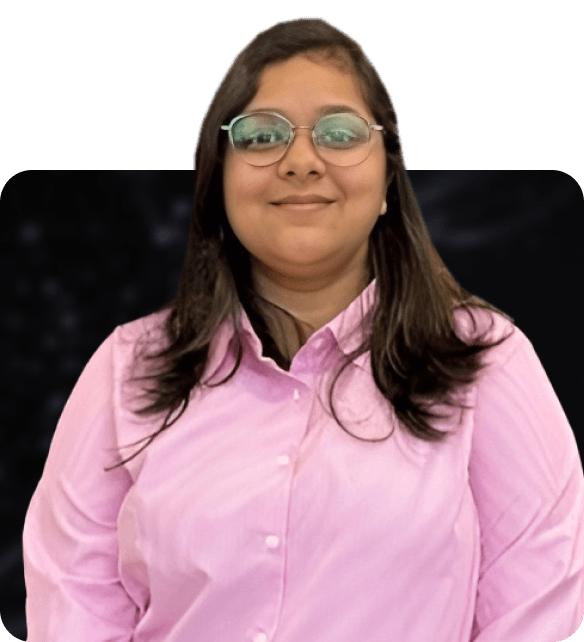
Our alumni
Pawan Reddy Ulindala
Tech Leaders Fellowship Class of 2022
Data Scientist, Arcesium
One of the most rewarding parts of my journey at TLF was the peer interaction. The one-year program not only helped me grow as a person but also sharpened my technical skills. Beyond academics, Plaksha offers access to world-class labs where you can freely experiment and bring your ideas to life. It is also an incredible place to network, thanks to its strong industry connections. Regular interactions with leaders from diverse fields provide valuable perspectives on careers and life choices. You might even find yourself sitting next to a billion-dollar company CEO who humbly shares their journey.
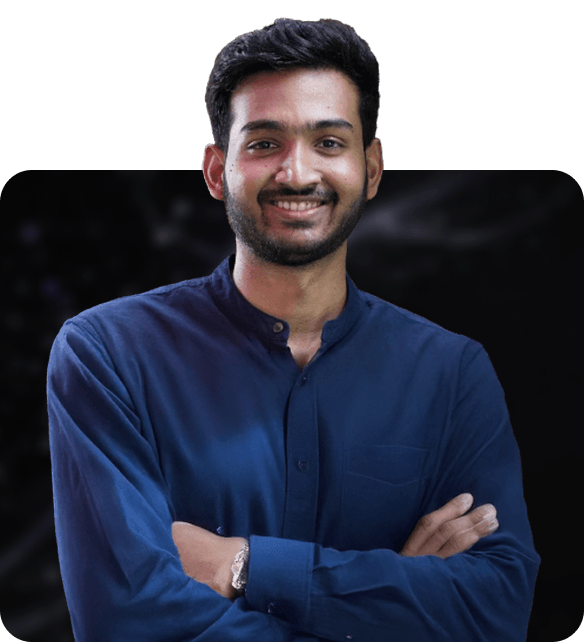
Our alumni
Kunal Kumar Panigrahi
Tech Leaders Fellowship Class of 2021
Lead AI Engineer, BCG X
The TLF experience offered a unique blend of academic rigor and industry exposure, combining technical expertise with hands-on coding proficiency and core leadership development. The program consistently encouraged me to step beyond my comfort zone, explore new skills, and dive deep into niche domains. With a rich network of founders, approachable faculty, and a highly supportive program team, I was always just a question away from the right guidance—making every interaction meaningful and fostering connections that added lasting value beyond the classroom.
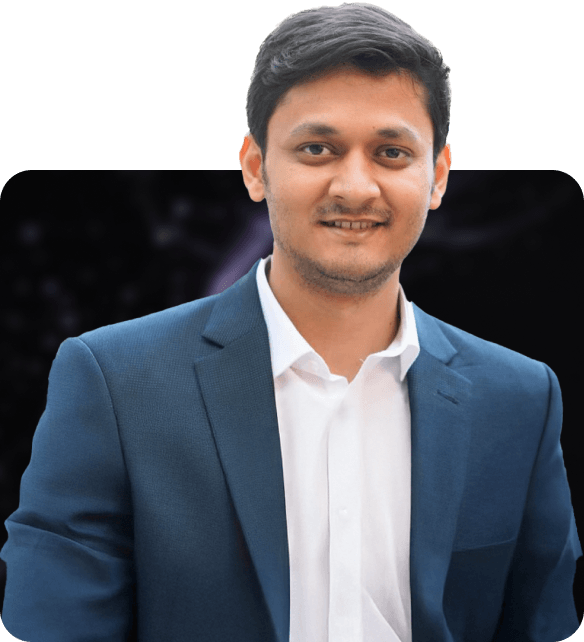
Our alumni
Piyush Sharma
Tech Leaders Fellowship Class of 2021
Product Manager, Google
Plaksha’s Tech Leaders Fellowship was a turning point in my journey. The immersive learning, mentorship, and vibrant founder network opened doors I never imagined—from BCG to my current role at Google. It was not just about learning AI or product management; it was about evolving into a confident, connected, and purpose-driven leader.
Our alumni
Shubham Jain
Tech Leaders Fellowship Class of 2020
Director, AI and Engineering, Avataar
Plaksha’s TLF gave exposure to inspiring people, diverse career trajectories, and genuine connections. It helped me forge my own path rather than to follow a standard playbook.
Our alumni
Gariman Singh
Tech Leaders Fellowship Class 2024
Software Engineer, Arcesium
I joined Plaksha University after completing my BS-MS in Physics from IISER Mohali - a journey that turned out to be a much bigger leap in shaping who I am. While I came to study Machine Learning, what I truly gained was an understanding of people, teamwork, and myself. The tightly knit TLF community, meaningful academic and non-academic discussions, and friendships that felt like family helped me build confidence and clarity. The fundamental Machine Learning courses, grounded strongly in both mathematics and programming, emphasized hands-on exploration and regularly culminated in presentations, allowing us to deeply understand and communicate what we built and learned.
Our alumni
Kaustubh Rastogi
Tech Leaders Fellowship Class 2024
Business Analyst, Flipkart
Through Plaksha today, I can confidently build and leverage AI/ML and have secured a tech-focused role that was unimaginable a year ago. The program was instrumental in building my foundational knowledge, ensuring I "got my basics done right"—a crucial step for success in this industry. Beyond the technical skills, my time here has been deeply rewarding personally. I have made friends for life and have become part of a supportive, collaborative community.
Program advisory board
The Master of Science in Artificial Intelligence program is guided by a distinguished advisory board of technical experts and business leaders who ensure its curriculum evolves with advances in technology and the needs of industry. Their stewardship keeps the program forward-looking, globally benchmarked, and positioned for lasting impact.
Anmol Mathur
Distinguished Engineer and Senior Director
PhD (University of Illinois Urbana-Champaign)
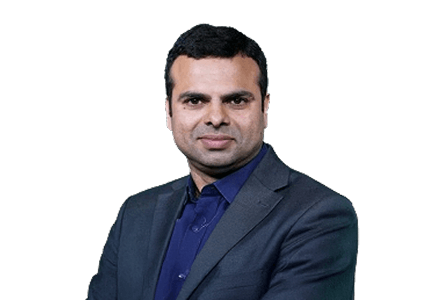
Jatin Thukral
Chief Product Officer
Naukri.com
Chief Al Scientist
Info Edge
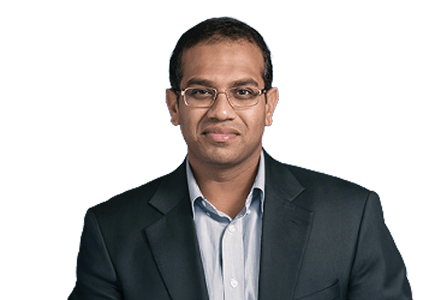
Mayur Naik
Professor
University of Pennsylvania
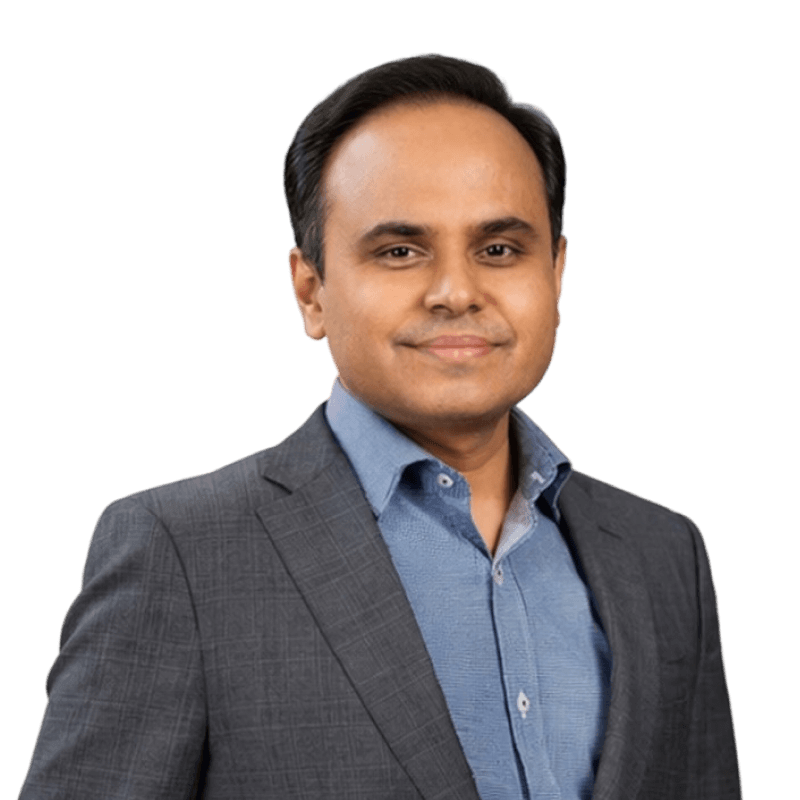
Srikanth Velamakanni
Chairperson
NASSCOM
Co-founder, Group Chief Executive and Executive Vice Chairman
Fractal
Frequently asked questions
The Master of Science in Artificial Intelligence is a one-year, full-time program that reimagines AI education by combining rigorous foundations in AI with deep exposure to real-world industry applications. It prepares ambitious tech professionals to design AI solutions, drive organizational adoption, and shape enterprise-level AI strategies. Among the first programs of its kind in India, it is co-delivered in academic partnership with Penn Engineering and has been co-created with industry leaders from organizations including Microsoft, Google and Fractal.
General data science programs focus on analytics, statistics, and data tooling. The Master of Science in Artificial Intelligence builds deeper expertise in core AI and advanced ML, and trains students to work with real-world datasets and deploy models in industry settings. The program incorporates the latest AI techniques used by the industry and provides hands-on learning through AI Practice Labs. Co-delivered with Penn Engineering and shaped with leaders from top universities and industry, it prepares graduates to work at the intersection of AI technology and business needs.
- A valid bachelor’s degree (4 years) from a recognized university in any one of the following:
- Engineering: Four-year BTech/B.E. with a foundation in maths, statistics, and programming.
- Sciences/Economics: Four-year bachelor’s, or three-year bachelors plus PG diploma (equivalent to 40 credits) / master’s, with maths, statistics, and programming.
- Applicants with professional experience in technology-related roles are welcome to apply.
Submission of a standardized test score (CAT/GMAT/GRE/GATE)*is optional for the Master of Science in AI program. Applicants are, however, strongly encouraged to submit a valid score from one of the following examinations, as it provides an objective, comparative data point that strengthens the application during merit evaluation and scholarship shortlisting.
*Scores may be submitted after application submission if they are not immediately available. Only scores upto May 31, 2027 will be considered.Submission of a standardized test score is optional for the Master of Science in AI program. Applicants are, however, strongly encouraged to submit a valid score, as it provides an objective, comparative data point that strengthens the application during merit evaluation and scholarship shortlisting.
Fresh graduates and students in their final year of study are eligible to apply. Candidates with professional experience are also welcome.
Yes. Applicants from disciplines such as mathematics, physics, engineering, economics, and related fields are welcome to apply if they have a strong quantitative foundation and programming experience. These fundamentals are essential for doing well in the field of AI, and the curriculum includes early modules that help strengthen mathematics, statistics, and programming.
Strong applicants usually demonstrate:
- Logical and analytical thinking
- Programming knowledge (especially Python)
- Curiosity about real-world AI applications
- A drive to build meaningful tech solutions
- Ability to handle rigorous academic coursework
Yes, international students are encouraged to apply. The program is delivered in English and visa support is available where necessary.
You can apply online through the official website. The application form is free of charge, and applicants are encouraged to apply early. Applications are reviewed in multiple rounds on a rolling basis.
The Industry Immersion Project is a five-month engagement where student teams work on real-world problems sourced from high-growth companies. Students apply advanced AI tools and techniques to develop data-driven, deployment-ready solutions and gain exposure to how AI is used in industry contexts. The project provides hands-on experience in working with real datasets, understanding business requirements, and translating technical work into practical impact.
The field of AI is evolving rapidly, and industry roles are becoming increasingly dynamic. The Master of Science in AI program prepares students for application-focused roles that require strong technical foundations and the ability to deploy AI solutions in real-world settings. Some of the roles graduates may pursue include:
- AI/ML Engineer
- Data Scientist
- Data Engineer
- AI Product Manager
- MLOps Engineer
- AI Consultant
- Applied AI Researcher
- Generative AI Specialist
- AI Business Analyst